
去美国做保姆需要什么条件,有哪些途径?What are the requirements for working as a nanny in the United States, and what a
-
 波士顿寻找保姆招聘月嫂者来
微/电:13366982255
波士顿寻找保姆招聘月嫂者来
微/电:13366982255
-
去美国做保姆(Nanny)并不是简单的“买张机票去打工”,美国法律对家政工作的签证和身份要求非常严格。根据你的情况(可能考虑出国工作),主要有“正规工作签证”和“互惠生(文化交流)”两条路径。
以下是去美国做保姆所需的具体条件和途径:
1. 核心门槛:合法工作身份(最重要)
没有合法工作身份在美国做保姆属于“打黑工”,风险极高(面临遣返、剥削且无法律保障)。正规途径主要有以下几种:
A. 互惠生项目 (Au Pair) —— 最适合年轻人的“曲线救国”
这是目前中国年轻人去美国家庭最正规、门槛相对较低的途径。
性质:属于文化交流项目(J-1签证),不是纯粹的工作签证。
Working as a nanny in the United States is not simply a matter of "buying a plane ticket and showing up for work"; U.S. laws regarding visas and immigration status for domestic workers are extremely strict. Given your situation (specifically, your interest in working abroad), there are primarily two pathways available: obtaining a "standard work visa" or participating in an "Au Pair" (cultural exchange) program.
Outlined below are the specific requirements and pathways for working as a nanny in the United States:
1. Core Prerequisite: Legal Work Status (The Most Important Factor)
Working as a nanny in the U.S. without legal work status constitutes "illegal employment" and carries extremely high risks—including the threat of deportation, potential exploitation, and a complete lack of legal protection. The legitimate pathways for doing so primarily fall into the following categories:
A. The Au Pair Program — The Most Suitable "Indirect Route" for Young People
This currently stands as the most legitimate pathway—and one with relatively lower entry barriers—for young people from China seeking to work within American host families.
Nature of the Program: It is classified as a cultural exchange program (requiring a J-1 visa), rather than a strictly employment-based work visa.
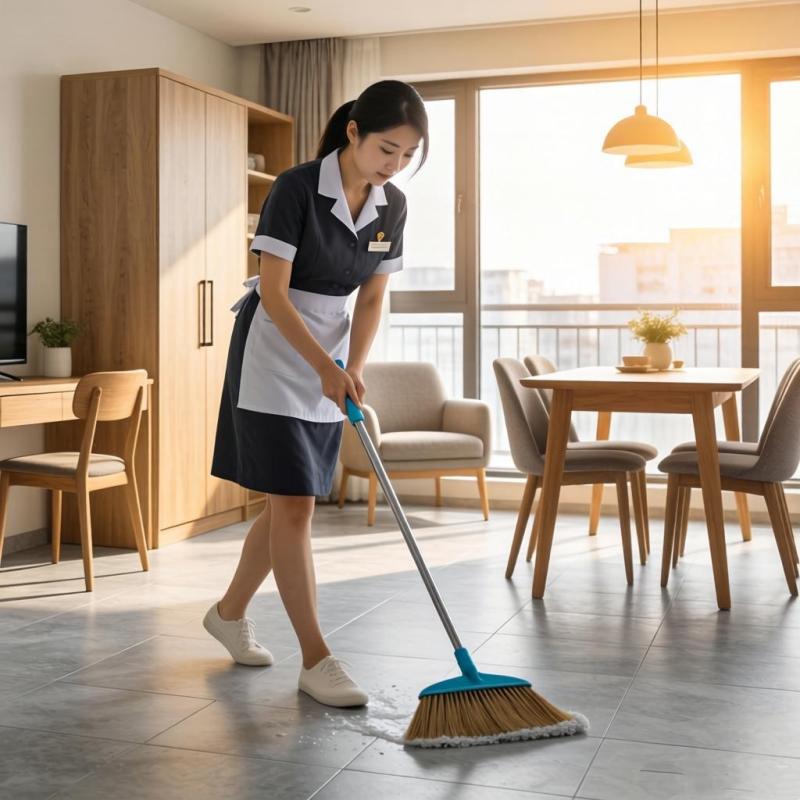
硬性条件:
年龄:18-26周岁。
学历:高中及以上学历。
经验:至少有200小时的婴幼儿看护经验(需提供证明)。
技能:会骑自行车或持有驾照(非常重要,美国接送孩子必须开车)。
语言:具备基本的英语沟通能力(需通过面试)。
背景:无犯罪记录,身体健康。
待遇:住寄宿家庭,包食宿,有周薪(约$200/周)和学费补助,但项目结束(1-2年)后必须回国。
B. 专业保姆工作签证 (H-2B / EB-3) —— 难度极高
如果你是有经验的资深保姆,想长期在美国工作,需要雇主担保。
H-2B签证(临时工):
条件:雇主必须证明“招不到美国人”才能招外国人。通常要求有专业的育儿证书、急救证(CPR)、丰富的经验。
难点:名额有限,费用高昂,且通常只能短期工作。
EB-3签证(绿卡):
条件:属于非技术移民,需要雇主长期担保。
难点:排期非常长(中国出生申请人通常需等待2-4年甚至更久),且申请费用高($8,000-$15,000),普通家庭很难承担。
C. 随行签证 (B-1 / A-3 / G-5)
适用人群:如果你被派驻美国的高管、外交官家庭雇佣,随雇主去美国。
条件:必须有长期雇佣关系证明,且雇主必须是特定身份(如外交官或跨国高管)。
**Hard Requirements:**
**Age:** 18–26 years old.
**Education:** High school diploma or higher.
**Experience:** At least 200 hours of experience caring for infants and toddlers (proof required).
**Skills:** Ability to ride a bicycle or possession of a valid driver's license (extremely important, as driving is mandatory for transporting children in the U.S.).
**Language:** Basic English communication skills (subject to assessment during the interview).
**Background:** No criminal record; in good physical health.
**Benefits:** Accommodation with a host family; room and board included; weekly stipend (approx. $200/week) and educational allowance provided. However, you are required to return to your home country upon the completion of the program (typically 1–2 years).
**B. Professional Nanny Work Visas (H-2B / EB-3) — Extremely Difficult**
If you are an experienced, senior-level nanny looking to work in the U.S. on a long-term basis, you will require employer sponsorship.
**H-2B Visa (Temporary Worker):**
**Conditions:** The employer must demonstrate that they are "unable to find qualified U.S. workers" before they can hire foreign nationals. Typically requires professional childcare certification, First Aid/CPR certification, and extensive experience.
**Challenges:** Limited quota availability, high associated costs, and work is generally restricted to short-term periods.
**EB-3 Visa (Green Card):**
**Conditions:** Classified as a "skilled worker" (though often utilized for non-skilled roles); requires long-term sponsorship from an employer.
**Challenges:** Extremely long waiting times (applicants born in China typically face a wait of 2–4 years or longer); high application fees ($8,000–$15,000), making it financially prohibitive for average families.
**C. Dependent/Domestic Staff Visas (B-1 / A-3 / G-5)**
**Eligibility:** Applicable if you are hired by the family of an executive or diplomat stationed in the U.S., and you will be accompanying your employer to the United States.
**Conditions:** You must provide proof of a long-term employment relationship, and your employer must hold a specific status (e.g., diplomat or multinational corporate executive).

2. 专业素质条件(硬实力)
无论走哪种途径,要在美国拿到高薪(如纽约的$3000-$5000/月甚至更高),你需要具备以下“硬通货”:
英语能力:这是决定薪资的关键。只会中文只能服务华人家庭(竞争激烈,薪资受限);精通中英双语在纽约、洛杉矶等地非常抢手,薪资可比普通保姆高出一大截。
专业证书:
CPR/急救证书:几乎是必备项,美国雇主非常看重安全。
驾照:美国地广人稀,接送孩子上学、去公园必须开车,没有驾照几乎找不到工作。
早教/护理证:如蒙特梭利(Montessori)认证、幼教背景等。
驾驶记录:需要提供干净的驾驶记录(无违章、无事故),雇主通常很在意这一点。
3. 申请流程建议
如果你决定尝试,建议按以下步骤操作:
考取驾照和急救证:这是最基础的门槛。
准备英文简历:突出你的育儿理念、烹饪技能(特别是如果你会做中餐,这在海外是加分项)和过往经验。
寻找正规中介:
互惠生:寻找中国商务部批准的对外劳务合作机构(如搜索结果中提到的湘际交协等)。
专业保姆:通过专业的国际家政机构(如AyiConnect, Care.com等)寻找愿意提供签证赞助的雇主。
警惕***:任何承诺“旅游签直接转工签”或“去了再办身份”的中介大多不可信,请务必核实签证类型。
2. Professional Qualifications (Hard Skills)
Regardless of the path you choose, to secure a high-paying position in the U.S. (such as $3,000–$5,000 per month—or even higher—in places like New York), you must possess the following "hard currency" skills:
English Proficiency: This is the key determinant of your salary. Relying solely on Chinese limits you to serving Chinese-speaking families (a highly competitive niche with limited earning potential); however, being fluent in both Chinese and English makes you highly sought-after in major cities like New York and Los Angeles, allowing you to command a salary significantly higher than that of an average nanny.
Professional Certifications:
CPR/First Aid Certification: This is an almost mandatory requirement, as U.S. employers place a very high priority on safety.
Driver's License: Given the vast distances and low population density in the U.S., driving is essential for tasks such as taking children to school or the park; without a driver's license, finding employment is nearly impossible.
Early Childhood Education/Care Certifications: Examples include Montessori certification, a background in early childhood education, etc.
Driving Record: You must provide a clean driving record (free of traffic violations or accidents); employers typically scrutinize this aspect very closely.
3. Recommended Application Process
If you decide to pursue this opportunity, it is recommended that you proceed according to the following steps:
Obtain a Driver's License and First Aid Certification: These constitute the most fundamental prerequisites.
Prepare an English Resume: Highlight your childcare philosophy, culinary skills (particularly if you know how to cook Chinese cuisine—a significant asset abroad), and relevant past experience.
Seek Out Reputable Agencies:
Au Pairs: Look for agencies approved by China's Ministry of Commerce for international labor cooperation (such as Xiangji Jiaoxie, as mentioned in the search results).
Professional Nannies: Utilize specialized international domestic staffing agencies (such as AyiConnect, Care.com, etc.) to find employers willing to sponsor your work visa.
Beware of Scams: Be highly suspicious of any agency that promises to "directly convert a tourist visa into a work visa" or claims you can "sort out your legal status after arrival"; always verify the specific type of visa being offered.
总结:
如果你年轻(18-26岁),互惠生(Au Pair)是目前最可行、成本最低的方式,可以让你合法在美国生活一年并积累美国家庭经验。如果你是资深专业人士,则需要寻找愿意担保签证的雇主,但这通常需要极高的英语水平和专业资质。
Summary:
If you are young (aged 18–26), becoming an Au Pair is currently the most viable and cost-effective way to legally live in the United States for a year and gain experience living with an American family. If you are an experienced professional, however, you will need to find an employer willing to sponsor your visa—though this typically requires an exceptionally high level of English proficiency and professional qualifications.
- 展开阅读全文
- 赞 收藏 阅读 2026-03-28
-
波士顿寻找保姆招聘月嫂者来
微/电:13366982255
相关推荐
-
 为什么美国年轻人开始选择给富豪当保姆作为职业呢?
美国确实出现了一个趋势:越来越多的Z世代(Gen Z,大约1997-2012年出生,也就是现在的年轻人)开始选择为富豪家庭担任高端保姆(nanny)或其他私人服务角色,如私人
-
 想不到吧,美国学生都去做保姆赚钱了 You wouldn't believe it—American students are working as nannies to earn mone
你可能想不到,就业服务公司Monster在分析了美国劳工统计局数据后发现,Babysitter是最受美国青少年喜爱的兼职工作之一。Babysitter就是美国的保姆,负责照顾因
-
 去美国生孩子需要找月子中心吗?Is it necessary to find a postpartum care center when going to the U.S. to give birth
需要,因为月子中心可以帮你搞定很多事,比如办签证、准备入境、在美国三个月吃住行玩的安排,还有美国医生医院的预约、月子照顾宝宝出生后的证件办理等等,而且
-
 为什么选择去美国做保姆 Why Choose to Work as a Nanny in the United States?
选择去美国做保姆(通常指住家育儿嫂、月嫂、住家保姆或管家助理),对于许多来自中国大陆、台湾或其他地区的华人女性来说,是一个“高投入、高回报、但也伴随高挑
-
 波士顿找保姆照顾老年人怎么找?
在波士顿为家中长辈寻找一位合适的保姆,是许多华人家庭面临的现实课题。需对本地家政市场的薪酬水平有基本了解。波士顿的生活成本较高,住家保姆(Live-in Careg
 0 评论
0 评论 最新发布评论
推荐作者
-
+关注
波士顿寻找保姆招聘月嫂者来
写34文章·68喜欢
-
 +关注
西雅图找保姆招月嫂公司
+关注
西雅图找保姆招月嫂公司
写23文章·49喜欢
-
 +关注
华盛顿找月嫂招保姆机构
+关注
华盛顿找月嫂招保姆机构
写28文章·86喜欢
-
 +关注
洛杉矶爱心月子中心说
+关注
洛杉矶爱心月子中心说
写64文章·241喜欢
-
 +关注
旧金山招聘保姆网
+关注
旧金山招聘保姆网
写39文章·160喜欢