
美国宝妈微信群讨论:月嫂vs育儿嫂,选对不踩坑!Discussion in a WeChat group for American mothers: Nanny vs. childcare provi
-
 纽约招聘保姆网
微/电:13366982255
纽约招聘保姆网
微/电:13366982255
-
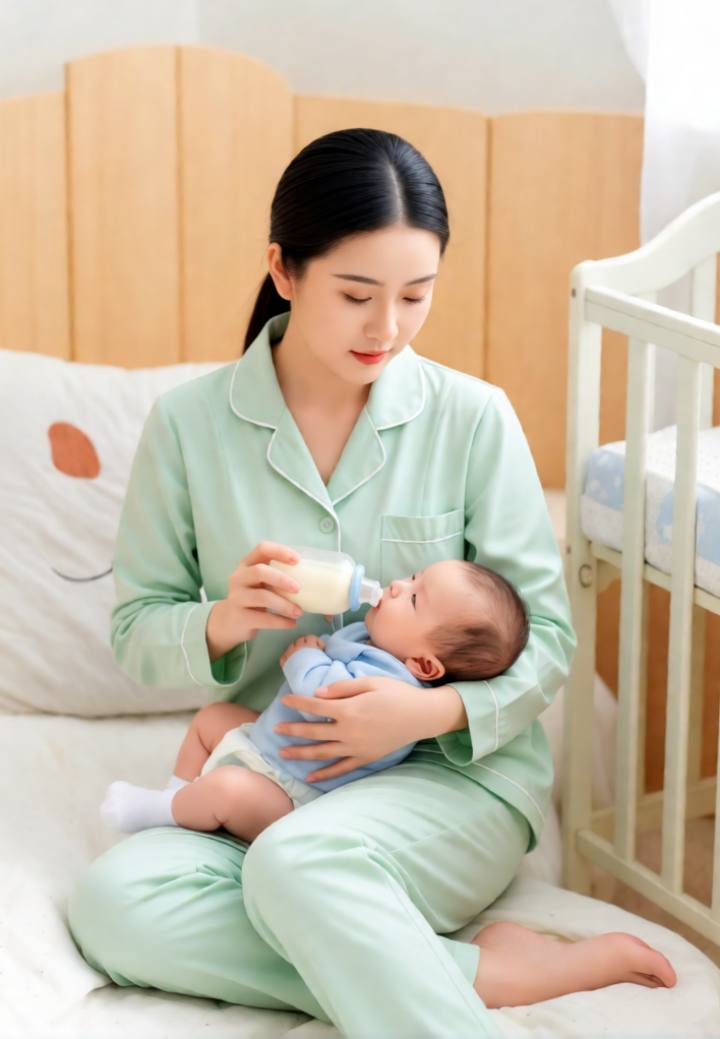
在纽约的宝妈微信群里,很多孕期准备或新生儿家庭的讨论中,月嫂和育儿嫂常常成为热议的话题。然而,这两者之间存在着显著的差异,了解这些差异将有助于您做出更明智的决定。以下是对月嫂和育儿嫂的详细解析,帮助您区分两者,找到最适合您的服务。
In WeChat groups for mothers in New York, nannies and postpartum caregivers are frequently discussed topics among expectant mothers and families with newborns. However, there are significant differences between the two, and understanding these differences will help you make a more informed decision. The following is a detailed explanation of nannies and postpartum caregivers, helping you differentiate between the two and find the service that best suits your needs.
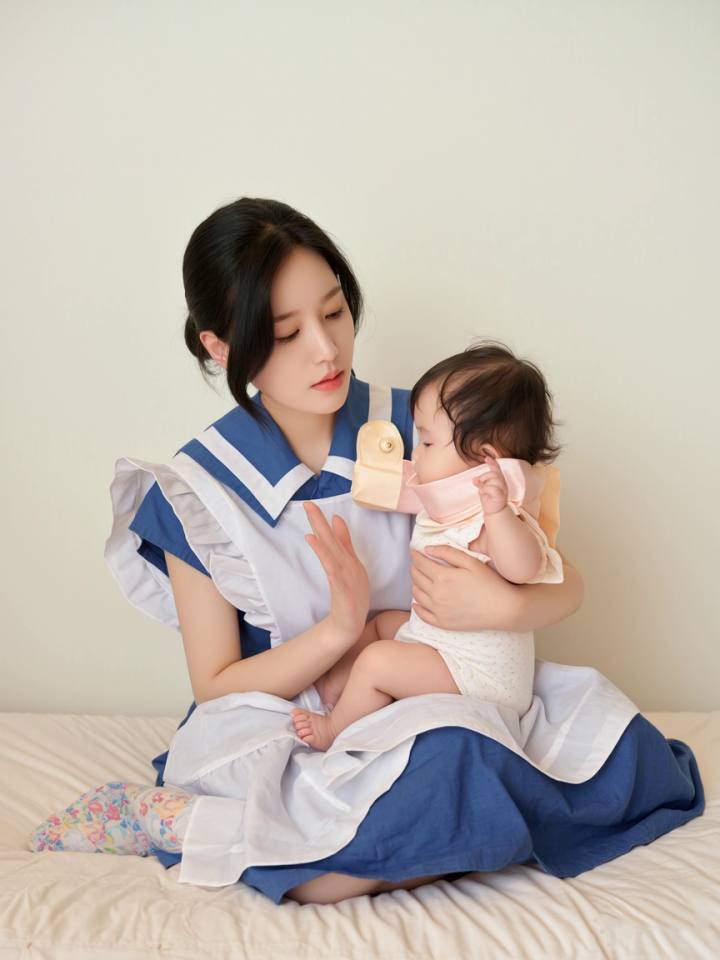
一、服务对象的差异
1. 月嫂的服务对象:月嫂的专业护理对象是产妇与新生儿。她们不仅关注新生儿的健康成长,还致力于帮助产妇顺利度过产褥期,提供全方位的护理支持。
2. 育儿嫂的服务对象:相较于月嫂,育儿嫂则专注于1个月到3岁的婴幼儿。她们的工作重点是确保婴儿的日常生活照料、健康护理以及早期教育。
I. Differences in Service Recipients
1. Service recipients of a postpartum caregiver (yue sao): Postpartum caregivers provide professional care to both the mother and the newborn. They not only focus on the healthy growth of the newborn but also strive to help the mother recover smoothly during the postpartum period, providing comprehensive care and support.
2. Service recipients of a nanny (yu'er sao): Compared to postpartum caregivers, nannies focus on infants and toddlers aged 1 month to 3 years old. Their main focus is on ensuring the daily care, health management, and early education of the child.
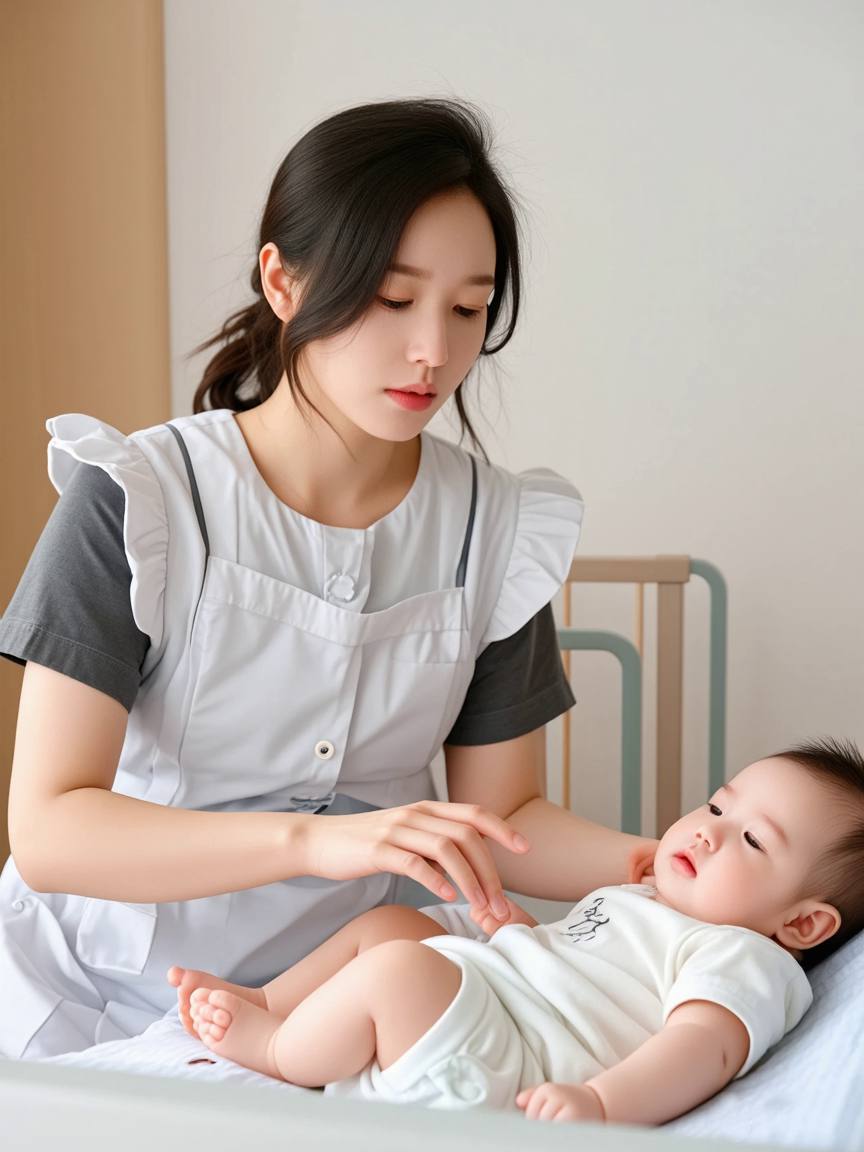
二、服务内容的差异
1. 月嫂的服务内容:月嫂的服务内容广泛且深入,包括伤口护理、恶露观察、乳房护理、科学哺乳指导等,旨在帮助产妇恢复身体健康;同时,她们还协助产妇进行产后恢复,如制作月子餐、提供产后心理支持等。
2. 育儿嫂的服务内容:育儿嫂则专注于婴儿的生活照料,如喂养、睡眠、动作技能训练、智力开发等,以及社会行为和人格发展的引导。她们致力于为婴儿提供全面的早期教育,促进婴儿的全面发展。
三、服务时间的差异
1. 月嫂的服务时间:月嫂的服务时间通常是月子期,根据客户需求,有1个月、1个半月或2个月(分别对应26天、42天或52天)等情况。她们的服务期限与产妇的产褥期相契合。
2. 育儿嫂的服务时间:育儿嫂的服务时间则相对较长,可持续至婴幼儿满3岁。在婴幼儿满3岁后,您可以根据需求选择转为白班或住家保姆继续照顾。
II. Differences in Service Content
1. Services provided by a postpartum caregiver (Yuesao): Postpartum caregivers provide a wide range of comprehensive services, including wound care, monitoring of postpartum bleeding, breast care, and scientific breastfeeding guidance, aiming to help mothers recover their health. They also assist mothers with postpartum recovery, such as preparing postpartum meals and providing psychological support.
2. Services provided by a nanny (Yuer Sao): Nannies focus on the daily care of the infant, such as feeding, sleep, motor skill training, and intellectual development, as well as guiding social behavior and personality development. They are dedicated to providing comprehensive early education for infants and promoting their overall development.
III. Differences in Service Duration
1. Service duration of a postpartum caregiver: The service duration of a postpartum caregiver is typically during the postpartum period, ranging from one month, one and a half months, or two months (corresponding to 26 days, 42 days, or 52 days) depending on the client's needs. Their service period coincides with the mother's postpartum recovery period.
2. Service duration of a nanny: The service duration of a nanny is relatively longer, lasting until the child reaches three years old. After the child turns three, you can choose to switch to a daytime or live-in nanny for continued care, depending on your needs.
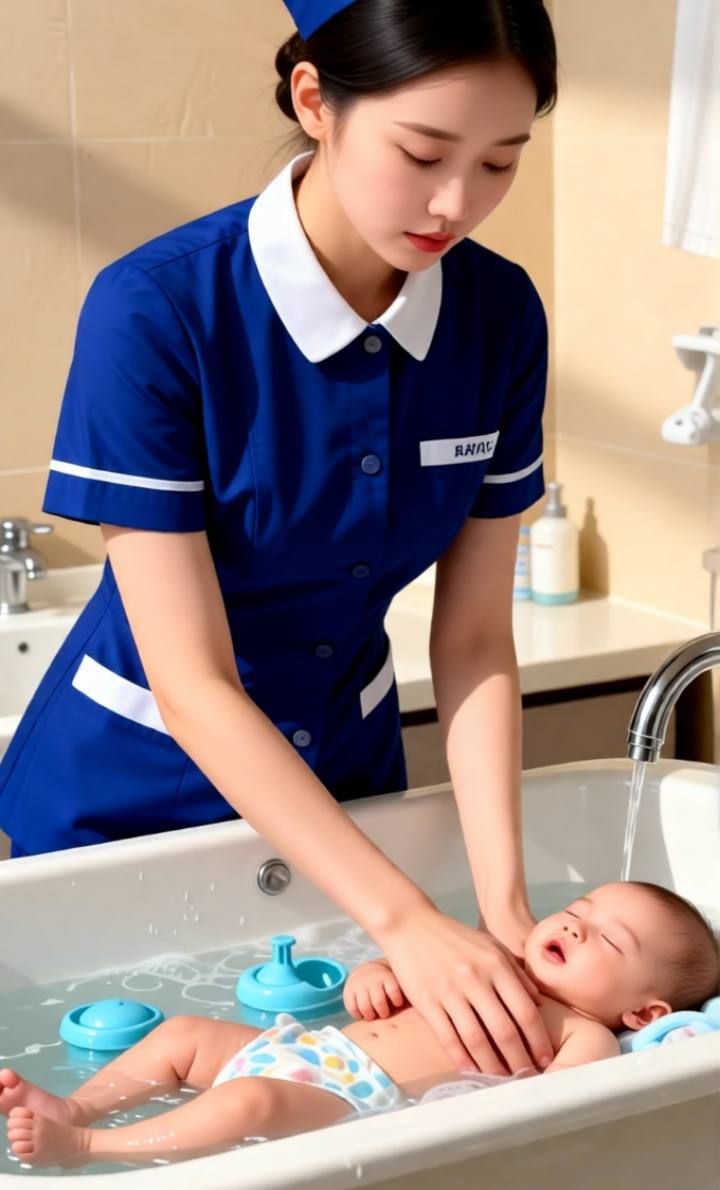
四、如何选择
在选择月嫂或育儿嫂时,您需要根据自身的需求来找到最适合的服务人员。如果您正在寻找新生儿和产妇的全方位护理支持,那么月嫂可能是您的首选;而如果您更关注婴幼儿的生活照料和早期教育,那么育儿嫂可能更适合您。
总之,月嫂和育儿嫂虽然都是为母婴提供服务,但她们的服务对象、内容和时间都存在显著差异。了解这些差异将有助于您做出更明智的选择,为母婴带来更好的照顾和关爱。
IV. How to Choose
When choosing a postpartum caregiver or nanny, you need to find the most suitable service provider based on your specific needs. If you are looking for comprehensive care and support for both the newborn and the mother, a postpartum caregiver might be your best choice; however, if you are more focused on infant and toddler care and early childhood education, a nanny might be more suitable.
In short, although both postpartum caregivers and nannies provide services to mothers and babies, there are significant differences in their target clients, services, and working hours. Understanding these differences will help you make a more informed decision and provide better care and attention to both mother and child.
- 展开阅读全文
- 赞 收藏 阅读 2026-01-16
-
纽约招聘保姆网
微/电:13366982255
-
 孙女士 新泽西育儿嫂
¥260.00
孙女士 新泽西育儿嫂
¥260.00
-
 周女士 纽约住家保姆
¥190.00
周女士 纽约住家保姆
¥190.00
-
 张女士 洛杉矶月嫂
¥9000.00
张女士 洛杉矶月嫂
¥9000.00
-
 樊女士 洛杉矶育儿嫂
¥260.00
樊女士 洛杉矶育儿嫂
¥260.00
相关推荐
-
 美国育婴师/育儿嫂/保姆求职推荐/全美接单!American nannies/childcare providers/babysitters available for hire! Serving
来美国10多年了,最初是为了陪儿子来圣地亚哥上初中。拥有美国绿卡和驾照。2005年左右,我在Del Mar的一家上海华人家里做住家保姆工作。之后,我进行了育婴师培
-
 【涉外金牌育婴师求职】本科学历,可随时去美 [Experienced Nanny/Babysitter with International Experience Seeking Employment
姓名:胡阿姨【持有美国绿卡】2015年,在加州旧金山做月嫂。2015年,在加州旧金山湾区,台,家庭,三口之家,带3月龄男宝。之后一直在美从事家政服务,育儿 家务
-
 美国纽约月嫂育婴师求职推荐(有正规签证) 可接单 Recommended postpartum doulas and nannies in New York, USA (with valid visa
从事月嫂/育婴师工作5年,带过30个宝宝以上,有丰富的育儿经验,带过早产儿,低体重儿,肠绞痛,肠胀气,泪腺堵塞的宝宝,让我积累了丰富的经验,工作起来得心应
-
 澳洲华人育儿嫂薪资多少?为何火爆?How much do Chinese nannies in Australia earn? Why are they in such high demand?
在澳大利亚,尤其是悉尼、墨尔本等华人聚集的大城市,聘请华人育儿嫂的需求异常火爆,且薪资水平显著高于普通家政服务。 住家育儿嫂: 5500-8000澳元(约1.9-2.9
-
 美国家政人员培训较乱、整体素质不高 纽约缺乏优质 Domestic worker training in the U.S. is disorganized and the overall qualit
纽约家政人员培训较乱、整体素质不高,北美国际保育园的负责人介绍,雇主一般通过熟人介绍、网上招聘平台以及培训服务机构这3个途径招聘育婴师,记者从纽约月子
 0 评论
0 评论 最新发布评论
推荐作者
-
+关注
纽约招聘保姆网
写16文章·87喜欢
-
 +关注
洛杉矶保姆应聘机构
+关注
洛杉矶保姆应聘机构
写20文章·36喜欢
-
 +关注
纽约涉外月嫂服务机构
+关注
纽约涉外月嫂服务机构
写15文章·19喜欢
-
 +关注
洛杉矶爱心月子中心说
+关注
洛杉矶爱心月子中心说
写36文章·82喜欢
-
 +关注
纽约法拉盛月子中心(会所)说
+关注
纽约法拉盛月子中心(会所)说
写10文章·15喜欢