
一文说尽月子中心那些事 A comprehensive overview of everything about postpartum care centers
-
 新泽西招月嫂找保姆机构
微/电:13366982255
新泽西招月嫂找保姆机构
微/电:13366982255
-
选择月子中心指南- 月子中心 vs. 在家请月嫂
- 月子中心好在哪里
在考虑如何度过月子的时候,这是所有人都要考虑的首个问题。
“为什么我要多花好几万去月子中心,那里到底有哪些不可替代的服务?”
由于后文会详细介绍月子中心提供的服务以及如何考察月子中心,这里我先给到大家总的个人结论。
① 产妇在人生中最脆弱和需要照顾的一段时期,得到全方位最好的照顾。
产后的妈妈在无论生理上还是心理上都是人生中最脆弱的时候,她会承受肉体的疼痛,生物钟的紊乱,身份的转换,心理的担忧甚至产后抑郁。如果女人的一生只有一次奢侈的消费,那么八成就该是这里了。
② 月子服务产业化,带来更加专业的服务
笔者是准爸,这里要用理科生的冰冷眼光来看待一下这个行业。月子中心行业的发展,必然带来了越来越规范和优秀的服务,因为行业竞争会不断淘汰低表现的从业者。事实上笔者一开始研究月子中心的时候,看到的一些前人文章中的提醒和担忧,在如今的月子中心行业里基本都已经全面解决了,可见行业整体服务水平是在不断提高的。
这些专业的服务会让产妇和婴儿在月子期间过的更好,甚至可以帮助月子后的育婴生活更加顺利(比如帮婴儿养成良好的作息)。
③ 减少家人压力及家庭矛盾
月子期间无论照顾产妇还是新生儿,工作量和压力都极大且是24小时的。而且除去核心事务以外,还经常发现缺点啥用品要去买,还要做饭,产妇吃的和大家往往不一样。这些足以让很多家庭头疼。双方的老人年纪也大了,高强度的作业也会让他们很辛苦。而月子中心,至少可以让你的家庭花钱买轻松。
除了轻松以外,月子中心还可以花钱买和谐。因为对于该怎么坐月子,夫/妻/双方父母这6个人之间往往还有很多不同意见。涉及到对母子的关切,还可能内心很笃定,甚至觉得和自己意见不同的人就是害人的傻逼从而引发了很多口角和矛盾的恐怕不在少数。由于月子中心是标准化的服务,而且具有一定公信力(人家服务过成百上千对母婴,听他们的一定对),所以可以免去家人之间很多不必要的矛盾。相信大家也不希望看到坐了个月子婆媳成了仇人这种事。
- 如何在月子中心和在家请月嫂之间选择?
说了三个好处,那么和传统在家请月嫂比,到底哪里值得考虑呢?毫无疑问,月子中心贵!
在家请月嫂:成本为1-2万月嫂费用+月子期间用品及生活费用,得到月嫂1对1服务(但家人还要照顾月嫂饮食等)。和动辄4-20万区间的月子中心相比,服务内容及水平上有明显的差距,同时价格区间也完全不同。
所以月嫂还是月子中心?也许你要看完整篇文章才能做决定。不过笔者是一开始就决定使用月子中心的,原因很简单:经济条件能允许的情况下想给太太最好的。
- Confinement Centers vs. Hiring a Confinement Nanny at Home
What are the advantages of confinement centers?
This is the first question everyone considers when deciding how to spend their postpartum period.
"Why should I spend tens of thousands more at a confinement center? What irreplaceable services do they offer?"
Since the services provided by confinement centers and how to evaluate them will be detailed later, I'll give you my general conclusions here.
① Postpartum women receive the best comprehensive care during the most vulnerable and care-dependent period of their lives.
Postpartum mothers are at their most vulnerable, both physically and psychologically. They endure physical pain, disrupted biological clocks, the transition to adulthood, psychological anxieties, and even postpartum depression. If a woman only has one extravagant expense in her life, it's probably here.
② The industrialization of confinement services brings more professional services.
As a soon-to-be father, I'll use a science-oriented perspective to examine this industry. The development of the confinement center industry inevitably leads to increasingly standardized and excellent services, as industry competition constantly eliminates low-performing practitioners. In fact, many of the concerns and reminders I encountered in previous articles when I first researched postpartum care centers have now been largely addressed in the industry, demonstrating the continuous improvement in overall service levels.
These professional services ensure a better postpartum experience for both mother and baby, and can even contribute to a smoother postpartum care routine (e.g., helping the baby establish healthy sleep habits).
③ Reduced Family Stress and Conflicts
Caring for both the mother and newborn during the postpartum period is extremely demanding and requires 24-hour attention. Beyond core tasks, there are often unexpected needs to be addressed, such as purchasing necessary supplies and preparing meals, as the mother's diet often differs from others. This can be a major headache for many families. The elderly on both sides of the family also face significant challenges due to the high intensity of care. A postpartum care center, at least, allows your family to pay for a more relaxed experience.
Besides relaxation, a postpartum care center also promotes harmony. There are often differing opinions among the husband/wife and both sets of parents regarding postpartum care. When it comes to concerns for the mother and child, many families may harbor strong convictions, even viewing those with differing opinions as malicious fools, leading to numerous arguments and conflicts. Because postpartum care centers offer standardized services and possess a certain level of credibility (having served hundreds or even thousands of mothers and babies, listening to them is always the right thing to do), they can avoid many unnecessary conflicts between family members. No one wants to see their mother-in-law and daughter-in-law become enemies after a postpartum period.
How to choose between a postpartum care center and hiring a postpartum nanny at home? Having mentioned three advantages, what's worth considering compared to traditional home-based postpartum nanny hiring? Undoubtedly, postpartum care centers are more expensive!
Hiring a postpartum nanny at home: The cost is 10,000-20,000 RMB for the nanny's fee + postpartum supplies and living expenses, receiving one-on-one service from the nanny (but family members also need to take care of the nanny's meals, etc.). Compared to postpartum care centers, which often cost 40,000-200,000 RMB, there is a significant difference in service content and quality, and the price range is completely different.
So, postpartum nanny or postpartum care center? Perhaps you need to read the entire article to make a decision. However, I decided to use a postpartum care center from the beginning for a simple reason: I wanted to give my wife the best, given that our financial situation allowed.
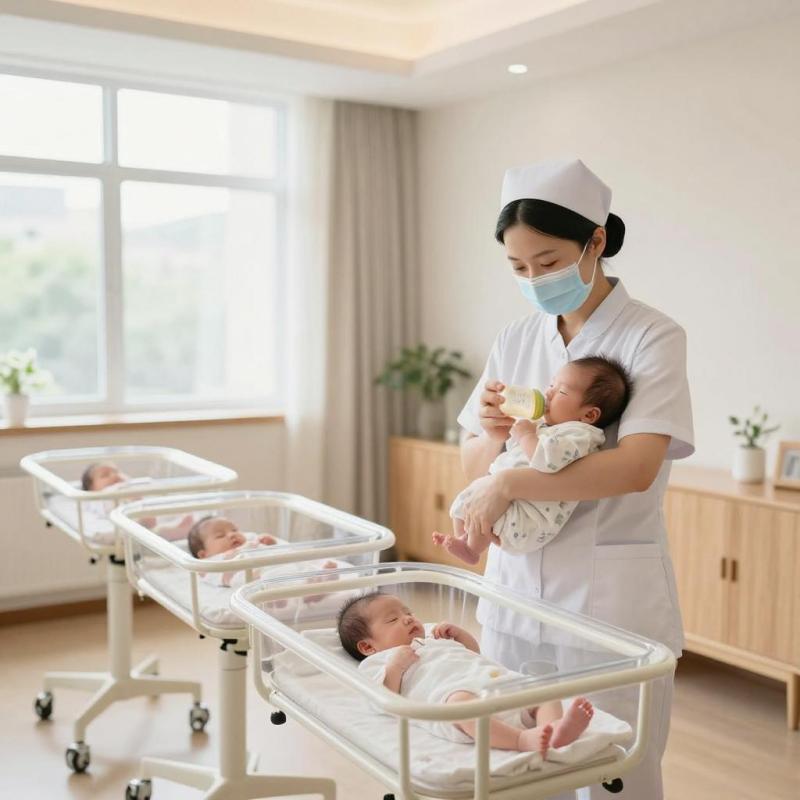
- 月子中心常见服务总览
- 设施
一般来说,月子中心会声称他们的价格中,40%来源于房间及设施。坐月子过程中,产妇绝大部分时间是在房间里甚至床上度过的。所以房间及设施毫无疑问是月子中心提供的服务中的重头戏。
这其中包括了:
* 客房 - 房型一般有多种选择,主流房型包含小单间(没客厅,一望到底),大开间(床和客厅间有隔断),一房一厅(客厅和卧室是完全独立空间),两方一厅(方便陪护的亲友或一对一服务的护工休息不打扰产妇)
* 空气系统 - 空调及新风系统,保证独立的温度控制及减少不同房间交叉感染风险
* 硬装部分 - 整洁的四壁,合适的采光,防滑的地板等
* 软装部分 - 给人温馨感的家具,软硬适中的床垫等
* 用品设施 - 哺乳椅,床上进食的桌子,奶瓶消毒器,温奶器,热饭板等
* 公共区域 - 待客区,公共走廊及电梯
* 母婴服务区 - 产康室,育婴室,上课教室,瑜伽室等
- 产妇服务
产妇服务一般被声称占月子中心费用的30%,其中一般包括:
* 医疗团队查房 - 产科医生、中医及营养师定期查房并根据产妇情况给出对应意见(涉及专业医疗需求会建议产妇去医院进行),有的机构还提供心理医生查房
* 产后康复服务 - 伤口修复,腹直肌及盆底肌修复,辅助排恶露,中药水洗头等,一般这部分服务项目至少十几条
* 产妇饮食 - 月子餐(三餐三点或三餐两点,月子茶,月子后期的补品等),月子餐一般由月子中心的独立厨房制作,且(声称)会根据产妇的身体状况动态调整食谱
- 婴儿服务
婴儿服务一般被声称占月子中心费用的30%,其中一般包括:
* 健康类 - 黄疸检测,每日健康检查,饮食及排泄情况追踪
* 护理类 - 口鼻护理、生殖器护理、臀部护理、脐部护理等
* 日常类 - 每日洗澡、游泳(后期)、哺乳后帮拍奶嗝哄睡等
* 训练类 - 视觉/听觉/触觉训练,脊柱力训练等
- 其他增值服务
如果说上面提到的产妇及婴儿服务中大部分已经成为行业标准(但服务模式及水平可能不同),那以下增值服务在各月子中心可能就相差较远了。个人认为这部分属于锦上添花而非雪中送炭,选择月子中心的时候上面三大类服务的质量才是关键考量因素。至于增值服务,反而你要思考一下,自己有多需要这些服务,因为呵呵,他们的成本最后都是我们来买单啊。
* 给到妈妈的 - 产前培训及普拉提,孕妇照,产后育婴师到医院提前陪护,月子期间的育婴培训等,这几个真的不同月子中心差别蛮大的
* 给到宝宝的 - 满月party,满月照等,这两个基本都有,效果受设施良好水平影响
* 用品类 - 妈妈和宝宝的月子期间用品,不同月子中心提供的用品品牌不同,提供的量也不同
* 月子后的跟进服务 - 后续康复项目、与合作机构共同提供的服务、月子中心团队对母婴情况的跟进等,这部分同样属于不同月子中心标准服务项目
- 小结
以上介绍了,当你选择了月子中心,你可以期待自己花钱得到哪些可能的服务和享受。
而接下来这部分内容,将介绍当我们挑选月子中心的时候,具体应该看哪里问什么,尽可能发现不同月子中心之间的优劣。当然,有些服务细节,服务态度这些,是真的要住过之后才能知道的,作为正在挑选月子中心的我们,可以通过大众点评等平台了解之前消费者的评价(基本都是好话呵呵)
- Overview of Common Services Offered by Postpartum Care Centers
Facilities
Generally, postpartum care centers will claim that 40% of their price comes from rooms and facilities. During the postpartum period, new mothers spend the vast majority of their time in their rooms, or even in bed. Therefore, rooms and facilities are undoubtedly a major focus of the services offered by postpartum care centers.
This includes:
* Guest Rooms - A variety of room types are available, with mainstream options including small single rooms (no living room, open layout), open-plan rooms (with a partition between the bed and living room), one-bedroom apartments (the living room and bedroom are completely independent spaces), and two-bedroom apartments (convenient for accompanying family members or caregivers providing one-on-one service to rest without disturbing the mother).
* Air System - Air conditioning and a fresh air system to ensure independent temperature control and reduce the risk of cross-infection between different rooms.
* Hard Furnishings - Clean walls, adequate lighting, non-slip flooring, etc.
* Soft Furnishings - Warm and inviting furniture, mattresses with a comfortable firmness, etc.
* Amenities - Nursing chairs, in-bed tables, bottle sterilizers, bottle warmers, food warmers, etc.
* Public Areas - Reception area, public corridors and elevators
* Mother and Baby Service Area - Maternity recovery room, nursery, classrooms, yoga room, etc.
Maternity Services: Maternity services are generally claimed to account for 30% of the cost of a postpartum care center, and typically include:
* Medical Team Rounds - Regular rounds by obstetricians, traditional Chinese medicine practitioners, and nutritionists, providing advice based on the mother's condition (professional medical needs may be addressed by consulting a hospital). Some institutions also offer rounds by a psychologist.
* Postpartum Rehabilitation Services - Wound repair, abdominal and pelvic floor muscle repair, assistance with lochia discharge, herbal shampooing, etc. This section usually includes at least a dozen services.
* Maternity Diet - Postpartum meals (three meals and three snacks or three meals and two snacks, postpartum tea, postpartum supplements, etc.). These meals are generally prepared by the postpartum care center's independent kitchen, and (claimed) the menu will be dynamically adjusted according to the mother's physical condition.
Infant Services: Infant services are generally claimed to account for 30% of the cost of a postpartum care center, and typically include:
* Health Services - Jaundice testing, daily health checks, monitoring of diet and bowel movements.
* Nursing Services - Mouth and nose care, genital care, buttock care, umbilical cord care, etc.
* Routine services - Daily bathing, swimming (later stages), burping and soothing to sleep after breastfeeding, etc.
* Training services - Visual/auditory/tactile training, spinal strength training, etc.
Other value-added services
While most of the maternal and infant services mentioned above have become industry standards (although service models and levels may vary), the following value-added services may differ significantly between postpartum care centers. Personally, I believe these are more of a bonus than a necessity; the quality of the three main categories of services mentioned above should be the key consideration when choosing a postpartum care center. As for value-added services, you should consider how much you actually need them, because, well, ultimately, we're the ones who pay for their costs.
* For Mothers - Prenatal training and Pilates, maternity photos, postpartum care specialists accompanying the mother to the hospital beforehand, and infant care training during the postpartum period. These services vary significantly between different postpartum care centers.
* For Babies - Full moon parties, full moon photos, etc. These are generally offered, but the quality depends on the facilities.
* Supplies - Postpartum supplies for mother and baby. Different postpartum care centers offer different brands and quantities of supplies.
* Postpartum Follow-up Services - Follow-up rehabilitation programs, services provided in cooperation with partner organizations, and follow-up by the postpartum care center team on the mother and baby's condition. This is also a standard service offered by different postpartum care centers.
Summary: The above introduces the services and benefits you can expect when choosing a postpartum care center.
The following section will discuss what to look for and ask when selecting a postpartum care center to identify the advantages and disadvantages of different centers. Of course, some service details and attitudes can only be known after staying there. As someone who is currently choosing a postpartum care center, we can check the reviews from previous customers through platforms like Dianping (which are mostly positive, haha).
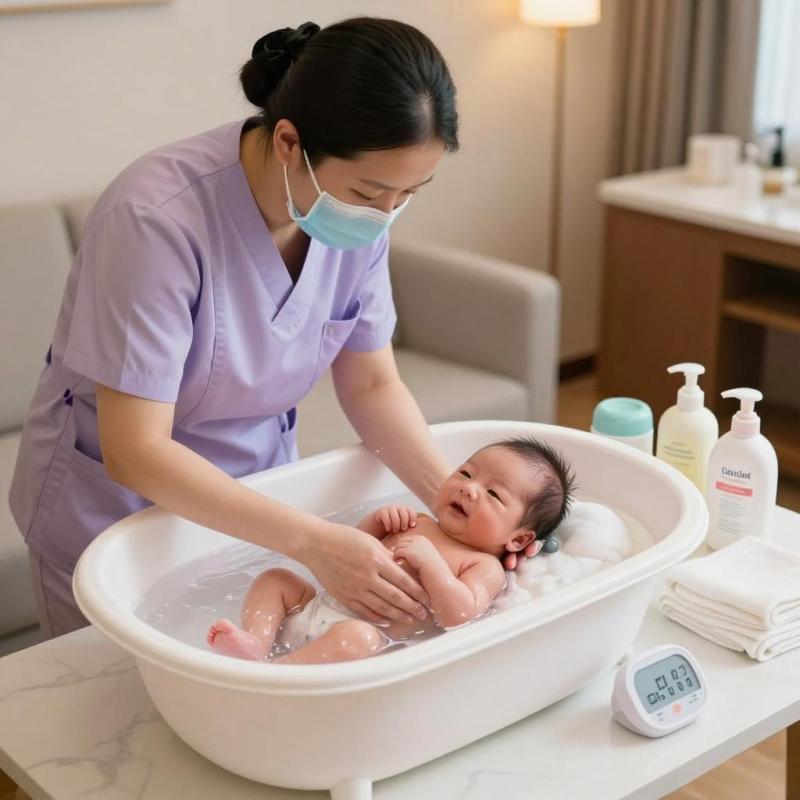
- 月子中心选择关键点
- 合约安全性
为什么要单独说合约安全性?因为月子中心的合约一般是在生产前几个月,甚至是确认怀孕后不久就签订了的(签订太晚也许你最喜欢的房型、楼层或朝向就没有了),这几个月的时间里,月子中心可能会有变化,你自己情况可能会有变化。这些风险需要在合同里被充分考量到,所以宝爸宝妈们在了解一家月子中心的时候也应该考察以下问题:
① 这家月子中心有没有部分或全部关店的风险
问题是怎么衡量这一点呢?我们可以从客户经理的介绍及各种网上平台多了解这家月子中心的信息。过去有没有部分关掉某些楼层或区域?如果有,则可能是资金链的问题,你无法确定,但至少把它当成风险来看待。事实上,在笔者研究的十几家月子中心里,就有1家确认关店,2家在过去半年中曾关掉半层或一层区域。这些都成为了笔者最终没有选择这些月子中心的原因之一。
② 这家月子中心有没有欺客风险
简单说他要是最后各种原因不认账,你能不能用法律讨回公道放一边,都是快生孩子的家庭,没人愿意花精力在这种事情上。这部分风险怎么评估?两条路,一条是看大众点评/小红书上的差评,另一条是在天眼通上查询这家注册公司的诉讼记录,这样如果真的有爆出来的负面消息,你不会错过。
③ 实际生产和预产期不一致怎么办?
这个很正常,没多少人是刚好预产期生产的。但是你想,房间是循环利用的,别人退房了,才有你住的,你退房了,才不影响你下一个产妇入住。那么当你生产提前或推后了(一般是提前),月子中心会怎么做你要问清楚。一般来说月子中心的做法是安排周转房给你,房型标准与你签的房间一致,没有就升级房型,这个供大家参考。不过别忘记了解和观察一下,这个月子中心的入住率如何,如果都是爆满的,那就应该追问一句,“哪里来的中转房啊?”
④ 产妇婴儿因为健康情况住院
这里有多种可能情况:婴儿早产住保温箱、妈妈生产后身体原因住院等。总之和③不同的是,产妇婴儿有一个去住月子中心了,另一个暂时没有。一般月子中心的处理方法是,当未入住天数超过一定量后,按照对应的费用退给你或者你可以选择往后顺延。你要确保这些被写到合同里。
- 地点及交通
① 月子中心地理位置
是否在主干道边会很吵?周围有没有空气污染源?
② 月子中心到医院
离医院越近当然越好,如果是离生产医院近当然就更加分,因为少一些转移过去路上受的罪,同时如果有什么健康状况,送到医院也方便。
③ 月子中心到你家和宝爸单位
月子中心,宝妈是常住的,宝爸是每天跑的,双方老人是不定期跑的。所以当然如果这些交通都方便会更好。
- 设施及配套
① 所属物业
简单说,这栋楼是什么楼?我见过在写字楼里的,酒店里的,公寓里的,底商里的,还有是月子中心自己集团的物业里的。
如果是在别人物业里租的几层,那你就要特别考察通风、做饭、洗衣洗床单、坐电梯这些部分是不是和其他层共用的。涉及到月子中心的一切,都最好是内部自循环的,否则会有更高的卫生风险。
② 月子中心隔离程度
呼应①,月子中心与外界越少接触越好。电梯是不是专用电梯,孕妇做产康及宝宝去育婴室需不需要坐电梯去其他楼层,电梯出来到居住区之间有没有隔断,有没有门禁,顺便看一下客户经理带你进去的时候有没有要求你消毒你的手和鞋子。内部,育婴室门口有没有贴粘掉鞋底土的保护膜,育婴室洗澡游泳的区域和其他区域之间有没有做干湿分离。房间里有没有独立新风系统保证和别的房间不串风交叉感染。
③ 房间
一般看房的点我就不说了,相信大家都有经验,这里只说一下月子房特别要关注的点。空调出风口会不会直吹到床,出风口附近有没有发霉迹象,房间的日照情况(婴儿需要晒太阳),房间的隔音,房间内有没有哺乳椅,床上用餐的餐桌,奶瓶消毒器,温奶器,饭菜保温电热板有没有(有时候刚好孩子要喂奶,喂完月子餐都凉了),床软硬是否适中,床够不够两人睡或者有没有加床服务或沙发床,浴室有没有擦身时的座椅,卫生间是不是电动马桶盖,马桶旁边有没有起身用的扶手,地板滑不滑有没有摔倒风险。
④ 产康室及育婴室
前面也提到了一些,育婴室要干湿分离,要恒温恒湿,要有有情况婴儿的单独隔离间,育婴室最好朝向为南,这样宝宝每天在育婴室里也能享受到阳光,育婴室要有“库位”库位上对应一个摄像头,这样父母甚至双方老人们可以在房间的电视或者手机的app上看到自己宝宝的情况。产康室我一个大男人基本没让进去过,各位宝妈多去了解吧,那些红外线帮助子宫收缩的机器啊,洗头的床啊该有的都得有。
⑤ 厨房
有条件的话,要求去参观一下月子中心的厨房,确认一下月子中心有自己的不和别家共用的厨房,看一下厨房的卫生条件
⑥ 其他
一般月子中心有满月party服务,看看办party的地方离月子房近不近,选房间的时候选一个远一点的,吵。其他的什么瑜伽室这些大家自己观察就好,没那么重要。
- 医生及护工
① 医生
首先我们要观察医生团队里哪些人是“顾问”,这种人一般是特别有名的,比如广州的“何一刀”,但是“顾问”的意思就是他只挂个名,偶尔来讲节课没什么实际用处。所以请把注意力放在查房医生上。查房医生要包含产科医生、儿科医生、中医、能有心理医生就更好。对于这些医生的水平,由于都是本城市的,大家可以自行去了解,一般来说需要从医经验丰富的,因为他们查房不是给你做全面体检,匆匆忙忙一周来看你一次,要经验丰富才能快速给出他的建议。然后有的月子中心的部分医生是两周来查房一次,这个就低于行业平均水平了。
② 护工
知识点,这里护工可能是育婴师也就是月嫂,也可能是护士。护士的话也就是正规护士专业毕业且在医疗机构实习过的那种,培养成本较高,专业能力没的说。育婴师也就是月嫂,拿的是育婴师资格证,含金量比护士低多了。现在的月子中心行业基本已经做到了育婴室里照看娃的是全护士阵容,选择房间内1对1服务则和你朝夕相处的是育婴师(期间孩子如果要托管到育婴室里依然是护士照看)。这样在我个人看来是比较合理的,道理很简单,低技术含量的常规化工作可以让育婴师干,对于可能要涉及观察,反馈的较正规的服务,由更专业的护士来做。这样分工明确且不会因为杀鸡用牛刀而导致成本过高,毕竟最后都是咱消费。
- 饮食
这里要说的比较少,因为基本所有的月子中心的月子餐都是同样的逻辑:第一周帮助伤口修复,第二周回复内脏功能,第三第四周开始进补(会有花胶海参这种,不同价位下次数不一样)。而且一般月子餐的食谱会根据产妇情况进行随时调整。对了,月子餐可以要求试吃的哦~
唯一我们需要确认的是厨房的位置,因为我看过的月子中心里,有两家的厨房不在楼里。甚至其中一家因为在广州有三家分店,用的是两公里以外的中央厨房,这样就很难避免送餐过程中的风味流失,本来月子餐就清淡不好吃,你要是还吃不上新鲜的(保温应该是能保证),那就有点减分了对吧?
- 日常服务
① 服务模式
月子中心的主要服务模式是多对一和一对一。多对一就是所有对宝宝的服务在育婴室里做,护士和宝宝的比例大概1:3,宝宝可以待在宝妈房间里也可以一直托管在育婴室,如果在宝妈房间里,比如宝妈喂完奶需要护士帮忙拍奶嗝哄睡觉,那么可以呼叫护士来到房间里把宝宝接走到育婴室,一切在那里完成,完事之后可以选择把宝宝送回来或者直接留在育婴室下次吃奶再送回房间。一对一服务顾名思义就是几乎一切服务,甚至包括产康项目,都在月子房里做。有个月嫂24小时在房间里陪着宝妈和宝宝,随时待命。所以一对一更加贴心,但也更贵。
② 健康检测
这里可以要求看一下他们实际的在住顾客的每日记录本,应该有至少两本,一本是宝妈的一本是宝宝的。相信该有的条目一般都会有的。这里我们要观察的是,他们的记录是否认真,每天检测母子情况后,有没有备注栏标明对后续的服务怎么调整(比如宝妈堵奶了,那么接下来几天食谱要怎么调整),这样才说明他们的日常管理是流动的,活的。
③ 卫生
问一下宝妈和宝宝的衣服是怎么洗的,最好不要一起洗而且宝宝的衣服要手洗,这样能最大程度避免宝妈,宝宝以及其他宝宝之间的交叉感染。
问一下床单毛巾等用品是怎么洗的,特别要小心的是,有些月子中心是租了某个酒店的几层,虽然衣服是独立洗的,可是床单这些仍是用的酒店的洗衣机。也就是说,可能和其他楼层的酒店客人之间发生交叉感染。
问一下消毒的时间和流程,原则上,每天白天是亲友(宝爸不算)探视时间,晚上消过毒后,当天就不能再探视了。这些都可以让你观察他们的管理是否给力。
- Key Considerations for Choosing a Postpartum Care Center
Contract Security
Why discuss contract security separately? Because postpartum care center contracts are typically signed several months before delivery, or even shortly after confirming pregnancy (signing too late might mean your favorite room type, floor, or orientation won't be available). During these months, the postpartum care center may change, and your own situation may change. These risks need to be fully considered in the contract. Therefore, when researching a postpartum care center, new parents should also consider the following questions:
① Is there a risk of the postpartum care center partially or completely closing down?
How do you assess this? We can learn more about the postpartum care center from the client manager's introduction and various online platforms. Has the center previously partially closed certain floors or areas? If so, it might be due to cash flow problems. You can't be certain, but at least consider it a risk. In fact, among the dozen or so postpartum care centers I researched, one confirmed its closure, and two had closed half or a whole floor in the past six months. These were among the reasons I ultimately didn't choose these centers.
② Is there a risk of this postpartum care center cheating its customers?
Simply put, if they later deny everything for various reasons, regardless of whether you can get justice through legal means, most families are about to give birth and no one wants to spend time and energy on such matters. How do you assess this risk? There are two ways: one is to check negative reviews on Dianping/Xiaohongshu, and the other is to check the company's litigation records on Tianyantong (a Chinese business information platform). This way, you won't miss any negative news that comes to light.
③ What if the actual delivery date differs from the due date?
This is normal; not many people give birth exactly on their due date. However, consider this: rooms are used on a rotating basis. Someone else checks out before you can stay, and your checking out ensures the next new mother can stay. So, you need to ask the postpartum care center what they will do if your delivery is earlier or later (usually earlier). Generally, they will arrange a temporary room for you, the same type of room as the one you signed up for. If that's not available, they will upgrade your room. This is for your reference. However, don't forget to check the occupancy rate of the postpartum care center. If it's always fully booked, you should ask, "Where did the transit rooms come from?"
④ Hospitalization of Mother and Baby Due to Health Conditions
There are several possibilities here: premature infants needing incubators, mothers hospitalized due to postpartum health reasons, etc. In short, unlike ③, one of the mother and baby is staying at the postpartum care center, while the other is not. Generally, the postpartum care center's approach is to refund the corresponding fees after a certain number of days of unused stay, or you can choose to extend the stay. You should make sure this is written into the contract.
Location and Transportation
① Location of the Postpartum Care Center
Is it noisy because it's located on a main road? Are there any sources of air pollution nearby?
② Distance from the Postpartum Care Center to the Hospital
The closer to the hospital, the better. Being close to the delivery hospital is even better, as it reduces the discomfort of transportation and makes it easier to get to the hospital if there are any health issues.
③ Transportation from the Postpartum Care Center to Your Home and Your Father's Workplace
The mother stays at the postpartum care center permanently, the father visits daily, and both sets of grandparents visit irregularly. Therefore, convenient transportation to all these areas is ideal.
Facilities and Amenities
① Property Ownership
Simply put, what kind of building is this? I've seen them in office buildings, hotels, apartments, commercial spaces, and even properties owned by the postpartum care center's own group.
If it's renting several floors in another property, you need to carefully examine whether ventilation, cooking, laundry, bed sheet washing, and elevator access are shared with other floors. Everything related to the postpartum care center should ideally be internally self-circulating; otherwise, there will be higher hygiene risks.
② Level of Isolation at the Postpartum Care Center
Echoing ①, the less contact the postpartum care center has with the outside world, the better. Is the elevator a dedicated elevator? Do pregnant women need to take the elevator to other floors for postpartum recovery and for the baby to go to the nursery? Is there a partition between the elevator and the living area? Is there access control? Also, check if the client manager asks you to disinfect your hands and shoes when they take you in. Inside, is there a protective film at the entrance of the nursery to remove dirt from shoe soles? Is there a dry and wet separation between the bathing and swimming areas and other areas in the nursery? Does the room have an independent fresh air system to ensure no cross-infection from other rooms?
③ Room
I won't go into the usual points for viewing the room, as I believe everyone has experience with that. Here, I'll only mention the points that require special attention in a postpartum room. Does the air conditioner vent blow directly onto the bed? Are there any signs of mold near the vent? How much sunlight does the room get (babies need sunlight)? Is the room soundproof? Is there a nursing chair? Is there a dining table on the bed? Is there a bottle sterilizer? Is there a bottle warmer? Is there a food warmer (sometimes the baby needs to be fed, and the postpartum meals get cold)? Is the bed firmness suitable? Is the bed big enough for two people, or is there an extra bed service or sofa bed? Is there a chair in the bathroom for bathing? Is the toilet seat electric? Is there a grab bar next to the toilet? Is the floor slippery and pose a risk of falling?
④ Postpartum Recovery Room and Nursery
As mentioned earlier, the nursery should have separate wet and dry areas, constant temperature and humidity, and a separate isolation room for infants with special needs. Ideally, the nursery should face south so the baby can enjoy sunlight daily. It should also have designated storage areas with corresponding cameras, allowing parents and even grandparents to monitor their baby's progress via TV or a mobile app. As for the postpartum recovery room, I, a grown man, have rarely been allowed in. Mothers-to-be should research it thoroughly; it should have all the necessary equipment, such as infrared machines to aid uterine contraction and a shampooing bed.
⑤ Kitchen
If possible, request to visit the postpartum center's kitchen to confirm it's their own and not shared. Check the kitchen's hygiene.
⑥ Other
Most postpartum centers offer full-month celebration parties. Check the distance between the party venue and the postpartum rooms; choose a room further away to avoid noise. Other features like yoga rooms are less important and can be observed independently.
Doctors and Caregivers
① Doctors
First, we need to observe which members of the medical team are "consultants." These are usually very famous, like "He Yidao" from Guangzhou, but "consultant" means they only hold a nominal position and occasionally give a lecture with little practical use. Therefore, focus your attention on the ward round doctors. Ward round doctors should include obstetricians, pediatricians, traditional Chinese medicine practitioners, and ideally, a psychologist. Regarding the skill level of these doctors, since they are all from the same city, you can research it yourself. Generally, they need to have extensive medical experience because their ward rounds aren't for comprehensive checkups; they only visit you once a week. Experience is crucial for quickly providing advice. Some doctors in postpartum care centers only come for rounds every two weeks, which is below the industry average.
② Caregivers
Important information: Caregivers here could be infant care specialists (also known as postpartum nannies) or nurses. Nurses are those who have graduated from a formal nursing program and interned in a medical institution; their training costs are high, and their professional skills are unquestionable. Infant care specialists (postpartum nannies) hold infant care specialist certificates, which are much less valuable than those for nurses. The postpartum care center industry has largely achieved a system where a full-fledged nursery team cares for babies in the nursery, while those opting for one-on-one room service have a nanny in their daily lives (if the baby needs to be cared for in the nursery, the nurses still provide care). In my opinion, this is quite reasonable. The logic is simple: low-skill, routine tasks can be handled by nannies, while more specialized services involving observation and feedback are handled by nurses. This clear division of labor avoids overkilling costs, since ultimately, it's the consumers who pay.
Regarding meals, I won't elaborate much here, as almost all postpartum care centers follow the same logic: the first week helps with wound healing, the second week focuses on restoring internal organ function, and the third and fourth weeks begin supplementing the diet (including ingredients like fish maw and sea cucumber, with varying frequency depending on the price). The menu is usually adjusted based on the mother's condition. By the way, you can request a tasting of the postpartum meals!
The only thing we need to confirm is the kitchen's location, because in the postpartum care centers I visited, two had kitchens not located upstairs. One of these centers, with three branches in Guangzhou, uses a central kitchen located two kilometers away. This makes it difficult to avoid flavor loss during delivery. Postpartum meals are already bland and not very palatable; if you can't even get fresh food (though keeping it warm should be possible), it's a major drawback, right?
Daily Services
① Service Models
The main service models at postpartum care centers are one-to-many and one-to-one. One-to-many means all baby services are done in the nursery, with a nurse-to-baby ratio of approximately 1:3. The baby can stay in the mother's room or remain in the nursery. If the baby is in the mother's room, for example, after feeding and needing help burping or soothing, a nurse can be called to come and take the baby to the nursery. Everything is done there, and afterwards, the baby can be returned to the mother's room or left in the nursery for the next feeding. One-to-one service, as the name suggests, means almost all services, including postpartum recovery programs, are done in the postpartum room. A postpartum nanny is available 24 hours a day in the room with the mother and baby, on call at any time. Therefore, one-on-one care is more personalized, but also more expensive.
② Health Monitoring
Here, you can request to see their daily logbooks for current guests. There should be at least two, one for the mother and one for the baby. They should generally have all the necessary entries. What we need to observe is whether their records are meticulous. After checking the mother and baby's condition each day, are there any notes indicating how to adjust subsequent services (e.g., if the mother has blocked milk ducts, how should the diet be adjusted for the next few days)? This shows that their daily management is dynamic and flexible.
③ Hygiene
Ask how the mother's and baby's clothes are washed. It's best not to wash them together, and the baby's clothes should be hand-washed to minimize the risk of cross-infection between the mother, baby, and other babies.
Ask how bed sheets, towels, and other toiletries are washed. Be especially careful, as some postpartum care centers rent several floors of a hotel. Although clothes are washed separately, bed sheets and other toiletries may still be washed in the hotel's washing machines. This means there is a possibility of cross-infection between them and hotel guests on other floors.
Ask about the disinfection schedule and procedures. In principle, daytime is the visiting time for relatives and friends (excluding the father), and after disinfection in the evening, no further visits are allowed that day. These details can help you observe whether their management is effective.
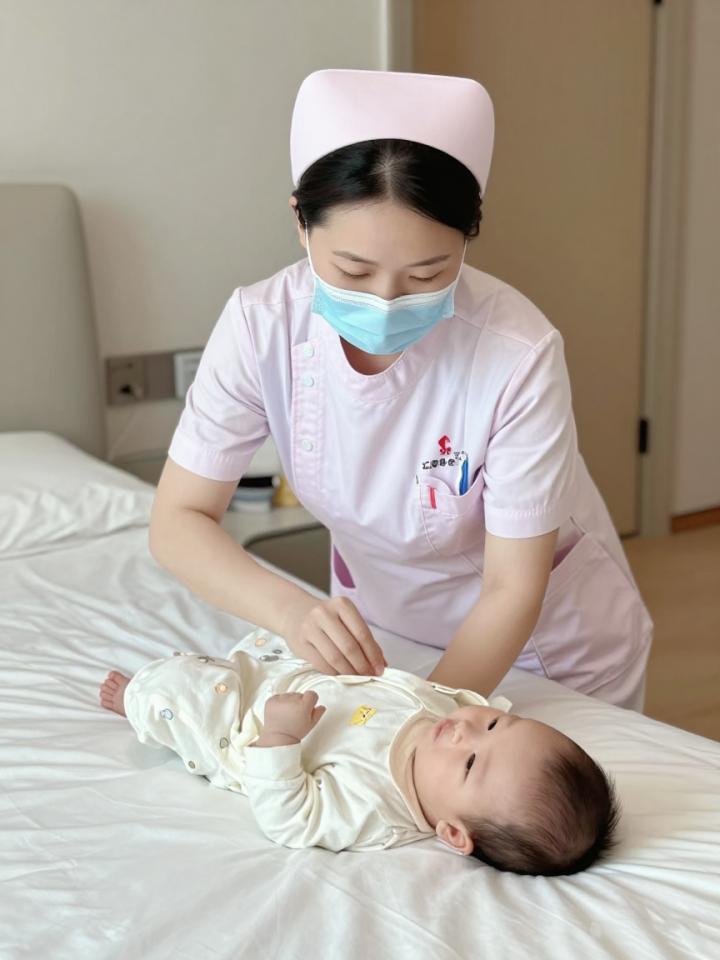
- 月子期间用品
包括但不限于:宝宝衣服,宝妈哺乳衣,月子鞋,一次性内衣,袜子,奶瓶,储奶袋,湿巾,卫生巾,牙膏牙刷,洗发水沐浴露,产褥垫护理垫,喂奶巾,纸巾卫生纸等。
除了看这家月子中心到底都给什么以外,还要看两点:
① 给多少,有的是定量的,有的是按需的
② 什么品牌或级别的产品,越高档的月子中心配套的用品也就越好
- 增值服务
前面也讲过,我建议把增值服务看为锦上添花,也就是说不是必要的。月子期间最重要的是宝妈的恢复和宝宝的健康,不要本末倒置。再次说一下,这些也都是要我们付钱的啊。
我家这边要几个月后才入住月子中心,还没能亲身体验,只能从我看到的增值服务里告诉你哪些我觉得相对更有用一些。
① 在院分娩贴身陪护
我最后订的这家就有这个服务,也就是说刚生产完还在医院的这3天,育婴师就去到医院提前陪宝妈了。这样可以让宝妈在住院期间就开始享受一些服务以及让育婴师更早的了解到宝妈和宝宝的情况以便对入住月子中心后的服务进行有针对性的准备。
② 孕妇照及满月照
本来也算刚需,捆绑销售也就捆绑了吧。
③ 专车接送
这里主要是去了解一下,月子中心是否有随时待命的专车,有就最好了,万一有点健康上的紧急状况,随时待命的专车要比叫车快。
④ 孕期及产后课堂
月子中心不可能住一辈子,宝爸宝妈总要自己学会面对一切。顺便讲一个有意思的事,我和宝妈参观一个月子中心的时候,刚好育婴室里有一对爸妈正在接受出月子前的带娃培训。那个娃娃护士一抱就乖,爸爸一抱就哭哈哈哈哈,宝爸还没学会托住脑袋,所以娃不舒服了。说起来也不知道笔者将来会闹什么样的笑话呢。
Postpartum Supplies
Including but not limited to: baby clothes, nursing clothes for the mother, postpartum shoes, disposable underwear, socks, baby bottles, breast milk storage bags, wet wipes, sanitary napkins, toothpaste and toothbrush, shampoo and body wash, maternity pads, nursing covers, tissues, toilet paper, etc.
Besides checking what the postpartum care center provides, consider two other points:
① The quantity provided; some are fixed quantities, others are provided as needed.
② The brand or level of the products; higher-end postpartum care centers generally provide better supplies.
Value-added services: As mentioned earlier, I suggest viewing value-added services as icing on the cake, meaning they are not essential. The most important thing during postpartum recovery is the mother's recovery and the baby's health; don't put the cart before the horse. Again, these are things we have to pay for.
I won't be staying at a postpartum care center for several months, so I haven't had a chance to experience it firsthand. I can only tell you which value-added services I've seen are relatively more useful.
① Personalized Care During Childbirth
The postpartum care center I booked offered this service. This means that for the first three days after giving birth, a nanny would come to the hospital to accompany the new mother. This allows the mother to enjoy services during her hospital stay and lets the nanny understand the mother and baby's condition earlier, enabling targeted preparation for services after check-in.
② Maternity and Postpartum Photos
This is considered a basic need, so it's included in the package.
③ Private Transportation
This is mainly to find out if the postpartum care center has a private car on standby. Having one is ideal, as it's faster than calling a taxi in case of any health emergencies.
④ Pregnancy and Postpartum Classes
You can't stay in a postpartum care center forever; new parents have to learn to face everything on their own. By the way, something interesting happened: when my wife and I visited one of the centers, we saw a couple receiving pre-confinement childcare training in the nursery. That baby was well-behaved when the nurse held him, but cried when his dad held him, hahaha. The dad hasn't learned how to support the baby's head yet, so the baby is uncomfortable. Who knows what kind of funny mistakes I'll make in the future?
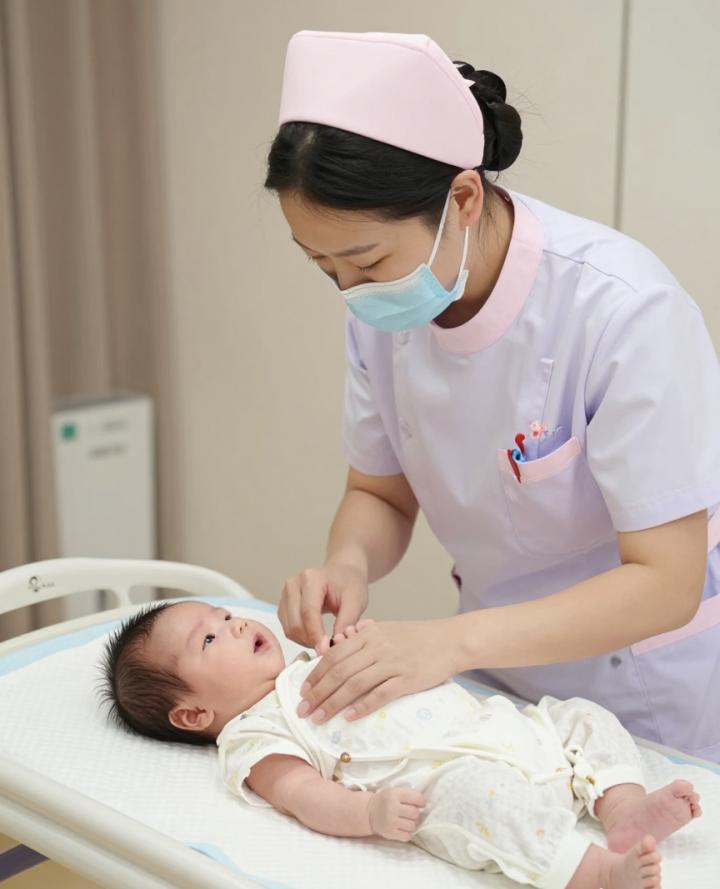
- 如何做最后的决定
以上介绍了准爸准妈在研究各个月子中心的时候,各方面应该注意什么。了解完你所在地区的月子中心,就到了做决定的时候。要知道没有任何一家月子中心是完美的,哪怕它是20万级别的高端会所。那么该如何做决定呢?我的建议如下:
① 确定预算范围
如果你和我一样是准爸,我建议你和太太根据你们的经济等状况,商量好一个预算上限,然后偷偷告诉你,请你自己心理预期比你们一起定的上限再高一些做好准备。太太一辈子可能就这一次遭罪(和享受),咱们不求超过自己能力范围的消费,但也尽可能给太太和孩子好点的照顾吧。如果太太很笃定最后想选择低端一点的,那么咱就听她的,如果她纠结犹豫,就让她听咱的,选贵的。(手动狗头)
如果你是宝妈,那你更须要清楚自己能接受的下限,如果最后你们选择了较低端一点的月子中心,别事后心理别扭就行,另外住个月子中心没必要攀比哈。
② 开始做减法
把预算范围外的删掉,把有你特别不能接受的缺点的删掉,把没有你特别喜欢的优点的删掉。抓大放小,这样应该已经可以把范围缩减到比较小了。
③ 最后的决定
就提醒一点,这时候你可以和心仪的月子中心做最后的谈判了。一句话“你们月子中心进决赛了,给我个底价吧”。(再次手动狗头)
哦对了,如果你家是双胞胎,那大部分月子中心会多收你30%的费用。贵一点也有35%的,便宜一点也有350元/天*天数的。
最后,祝你和家人早日找到称心如意的月子中心。
How to Make the Final Decision
The above outlines what expectant parents should pay attention to when researching various postpartum care centers. Now that you've researched postpartum care centers in your area, it's time to make a decision. Remember, no postpartum care center is perfect, even a high-end one costing 200,000 yuan. So how do you make a decision? My suggestions are as follows:
① Determine your budget range
If you're an expectant father like me, I suggest you and your wife discuss and agree on a budget ceiling based on your financial situation. And, secretly, be prepared to have a slightly higher personal budget than the ceiling you've agreed on. Your wife may only experience this once in her life (both the hardship and the comfort), so let's not aim for spending beyond our means, but rather provide the best possible care for her and the baby. If your wife is determined to choose a lower-end center, then listen to her. If she's hesitant and indecisive, let her listen to us and choose the more expensive one. (Manual doge face)
If you're a new mom, you need to be clear about your bottom line. If you end up choosing a lower-end postpartum care center, just don't feel bad about it later. Also, there's no need to compare yourself to other postpartum care centers.
② Start Subtraction
Eliminate those outside your budget, those with particularly unacceptable drawbacks, and those without any particularly appealing features. Focus on the big picture; this should narrow down your choices considerably.
③ The Final Decision
Just a reminder: now is the time to have a final negotiation with your preferred postpartum care center. In short, "Your postpartum care center is in the final round, give me a bottom line." (Again, manual doge face)
Oh, by the way, if you have twins, most postpartum care centers will charge you 30% more. Some are as expensive as 35%, while cheaper ones are around 350 yuan/day * number of days.
Finally, I wish you and your family find a satisfactory postpartum care center soon.
- 展开阅读全文
- 赞 收藏 阅读 2026-02-23
-
新泽西招月嫂找保姆机构
微/电:13366982255
相关推荐
-
 美国月子中心一般费用多少?赴美生子费用知多少
不少计划赴美生子的朋友都会问到美国月子中心的费用问题,价格差异到底有多大?以爱心宝贝美国月子中心为例,其提供多样化房型,价格从15万到30万人民币不等。在
-
赴美生子选择月子中心的建议 Advice on choosing a maternity center for childbirth in the US
一定要找直营的月子中心:直营的月子中心在美国的纽约、洛杉矶、旧金山等地有自己的直营店(实体店或分部),直营的月子中心跟中介(经纪人)最大的不同就是,中介知
-
 为啥中产孕妈爱在美国月子中心坐月子?Why do middle-class pregnant women prefer to spend their postpartum period in Amer
为什么现在这么多中产孕妈都选择去美国月子中心坐月子?又贵又不方便!其实这些孕妈反而更聪明,美国月子中心的价格真的不算贵了,,而我们美国月子中心三个月起步
-
 住美国月子中心要花多少钱?How much does it cost to stay at a maternity center in the United States?
住美国月子中心要花多少钱?美国月子中心基础费用就是它的套餐,正常情况下,纽约这边中高端的月子中心三个月的价格大概在3~6万$不等,主要差别在于房型上。美国
-
在美国生孩子,感受尔湾的慵懒生活 Having a baby in the US and experiencing the laid-back lifestyle of Irvine.
为什么在美国生孩子选择尔湾月子中心待产?在尔湾待产感觉就是在度假。一边感受爱心宝贝尔湾月子中心定制的行程,一遍等待宝贝的到来。孕妈们在美国生孩子的每一
 0 评论
0 评论 最新发布评论
-
 关注
洛杉矶爱心月子中心说
关注
洛杉矶爱心月子中心说
0文章 1评论
-
 关注
美国华人月嫂公司
关注
美国华人月嫂公司
0文章 1评论
推荐作者
-
+关注
新泽西招月嫂找保姆机构
写2文章·0喜欢
-
 +关注
洛杉矶保姆中介
+关注
洛杉矶保姆中介
写20文章·105喜欢
-
 +关注
纽约招聘保姆网
+关注
纽约招聘保姆网
写37文章·109喜欢
-
 +关注
洛杉矶华人月嫂公司
+关注
洛杉矶华人月嫂公司
写34文章·72喜欢
-
 +关注
纽约爱心家政服务公司
+关注
纽约爱心家政服务公司
写19文章·88喜欢