
可怕的佛罗里达州保姆虐待老人行为,4招学会安心雇保姆!Horrible cases of elderly abuse by caregivers in Florida: 4 tips to ensur
-
 旧金山招聘保姆网
微/电:13366982255
旧金山招聘保姆网
微/电:13366982255
-
美国佛罗里达州一名狠心女保姆禁止受她看护的96岁老人进食,将这名老人饿得像集中营囚犯一般,甚至还给老人吃狗屎,日前已经被捕并遭到起诉。
来自阿波普卡(Apopka)的这名56岁女子艾丽斯 科瓦克-苏恩(Alice Kovach-Suehn)10日被逮捕,并被控忽视照顾老人。
警方发现,苏恩将由她看护的老人饿到只有89磅(约40公斤),老人被发现时全身污秽不堪,身体极度虚弱,甚至连手都无法移动。这位96岁的老人告诉警方,除了一些肉和狗屎之外,艾丽斯不让他吃别的东西。
A heartless caregiver in Florida, USA, has been arrested and charged with starving a 96-year-old man under her care, leaving him in a state resembling a concentration camp prisoner, and even feeding him dog feces.
The 56-year-old woman, Alice Kovach-Suehn, from Apopka, was arrested on the 10th and charged with neglecting an elderly person.
Police found that Suhn had starved the elderly man under her care to the point where he weighed only 89 pounds (approximately 40 kilograms). When found, the man was filthy, extremely weak, and unable to even move his hands. The 96-year-old man told police that Alice wouldn't feed him anything except some meat and dog feces.
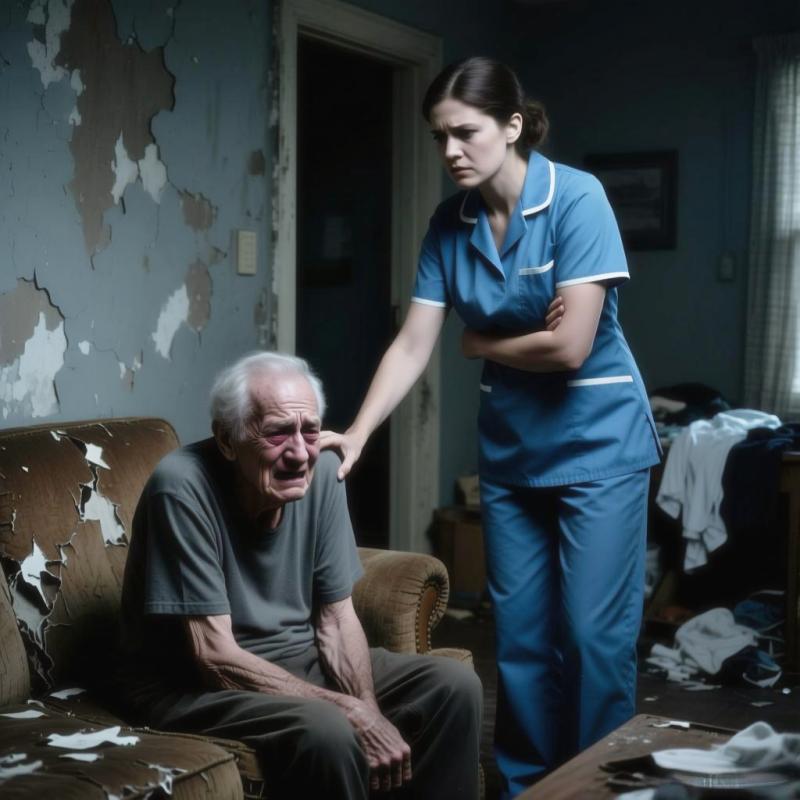
苏恩曾将老人带到佛罗里达医院,对医生说老人有消化问题,她随后被逮捕。医生们非常震惊,他们赶紧通知佛州儿童与家庭福利局(Department of Children and Families)。一位医生说,老人就像是奥斯威辛集中营里的囚犯一样,另一位医生称之为“饥饿谋杀”。当老人在医院进食时,警官说“老人就像恶狗扑食一样”,但是仍然需要用勺子喂他。
警方认为,苏恩或许是蓄意将老人虐待至此,以图其财。老人告诉警方,他非常害怕苏恩,并声称苏恩试图将他的信托资金转到自己名下,但是他一直断然拒绝。
当接受警方询问时,苏恩坚持否认自己不让老人进食,坚称她将老人照顾得很好。她还指责老人的家人,指称其家人拒绝照顾这位老人。儿童与家庭福利局工作人员说,他们几个月前曾造访苏恩的家,确认老人是否在该处,但是苏恩不让他们进门。
如此的虐待老人,事后却如此淡定,保姆苏恩很可能不是第一次作案了,如果不是因为监控,她可能进入下个家庭了。
Sue took the elderly man to a Florida hospital, telling doctors he had digestive problems, and was subsequently arrested. Doctors were shocked and immediately notified the Florida Department of Children and Families. One doctor said the man was like a prisoner from Auschwitz, another called it "starvation murder." When the man ate at the hospital, officers said he "devoured food like a vicious dog," yet still needed to be spoon-fed.
Police believe Sue may have intentionally abused the man for financial gain. The man told police he was terrified of Sue and claimed she tried to transfer his trust funds to her own name, which he consistently refused.
When questioned by police, Sue insisted she didn't feed the man, claiming she took good care of him. She also accused his family of refusing to care for him. Department of Children and Families staff said they visited Sue's home several months earlier to check if the man was there, but Sue refused to let them in.
Such abuse of the elderly, coupled with her calm demeanor afterward, suggests that this is likely not her first offense. If it weren't for surveillance cameras, she might have moved on to another family.
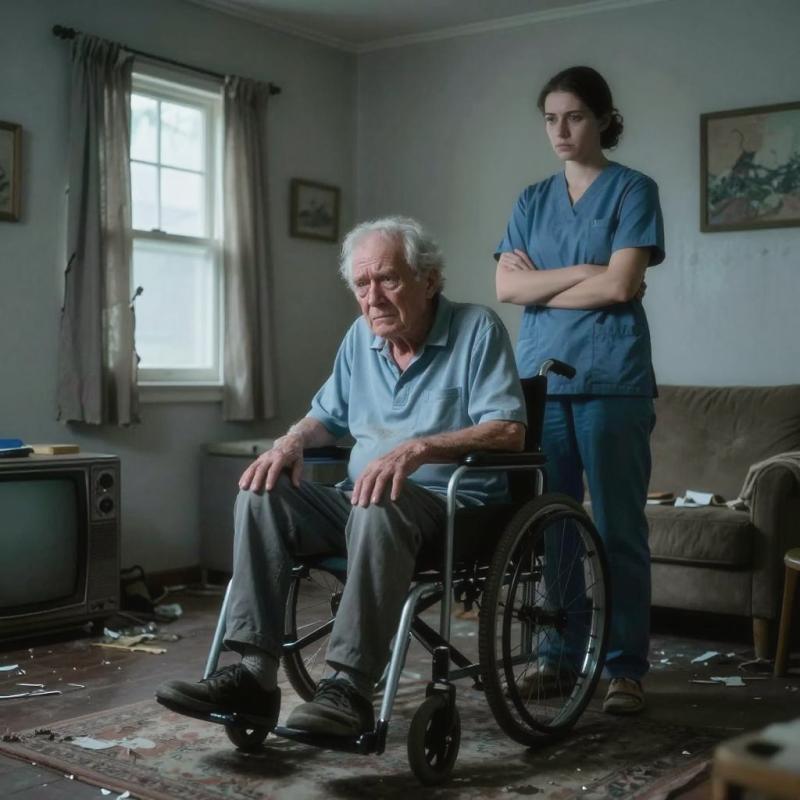
有一些人看到后,会说不敢再请保姆了。然而事实上,也许我们真的再也离不开保姆这个行业了。截至2025年底,美国60岁以上的老年人口已经达到了6200万,这些老人中有将近百万人失能,必须有专人照顾。美国的养老观念以独立、自主和依靠社会体系为核心,强调“养儿不防老”,主张在子女成年后分居,老年生活主要依赖个人储蓄、社会保障金(Social Security)和养老机构。大部分美国老人倾向于居家养老,只有在健康状况不佳时才考虑养老院。
Some people, upon seeing this, might say they're afraid to hire a caregiver anymore. However, the reality is that we may truly be unable to live without the caregiver industry. By the end of 2025, the number of people aged 60 and over in the United States will reach 62 million, of whom nearly one million are disabled and require specialized care. American retirement concepts are centered on independence, autonomy, and reliance on the social system, emphasizing that "children don't guarantee old-age security," advocating for separation after children reach adulthood, and relying primarily on personal savings, Social Security, and nursing homes for old age. Most American seniors prefer to age at home, only considering nursing homes when their health deteriorates.

我们不能保证社会上每一个人都是向善的,但我们绝对需要尽可能避免有做恶倾向的人进入我们的家里,照顾我们的老人和孩子,那怎么办呢?给您几点建议,
1、尽量选择美国专业的家政公司,了解涉外保姆的相关背景;2、一定要在家里安装摄像头,并告知保姆以按时期,不要有恶意行为,起到威慑的作用;
3、第一个月请加倍重视;
4、要经常查看老人,孩子的身体状况,询问他们的感受。
We cannot guarantee that everyone in society is benevolent, but we absolutely need to prevent people with malicious tendencies from entering our homes to care for our elderly and children. So what can we do? Here are a few suggestions:
1. Try to choose a professional American domestic service company and understand the background of the expatriate caregiver;
2. Be sure to install security cameras in your home and inform the caregiver to arrive on time and not to engage in malicious behavior, serving as a deterrent;
3. Pay extra attention during the first month;
4. Regularly check on the health of the elderly and children and ask about their feelings.
- 展开阅读全文
- 赞 收藏 阅读 2026-03-02
-
旧金山招聘保姆网
微/电:13366982255
相关推荐
-
 住家家务保姆作息时间及工作内容说明
住家家务保姆的工作模式以 "24 小时驻家服务" 为核心,其作息时间和工作内容需根据华人雇主家庭的生活习惯、成员构成及具体需求灵活调整。以下为通用参考框架,
-
 美国找保姆,找多少岁的比较好?In the US, what age is considered ideal for a nanny?
爱心宝贝涉外家政作为十几年的老牌家政服务机构,我们发现,最近这几年美国华人雇主对保姆的年龄要求越来越苛刻了,无论是对照顾小孩的育儿嫂,还是照顾老人的保
-
 请保姆相比住养老院的好处有哪些?找保姆照顾老人应该注意哪些问题?What are the advantages of hiring a caregiver compared to living in
美国的专职保姆,尤其是照料老年人的专职保姆,相对来说还是比较稀缺的。老年人请保姆,要么通过亲戚熟人介绍,要么通过一些涉外家政公司。但是,这些请来的保姆
-
 美国找保姆费用是先付还是后付?影响保姆工资的因素有哪些?In the US, is the cost of hiring a nanny paid upfront or later? What fac
其实和育儿嫂服务一样,在美国的保姆服务行业,找保姆先付费是惯例。美国的家政公司一般要求华人雇主先行支付如下两笔款:1、保姆服务的中介费,2、保姆首月的工
-
 美国保姆价格一览表2026年最新 US Nanny Price List (2026 Update)
无论在美国的哪个城市,保姆的价格都不是一概而论的,它涉及到保姆的工作种类和具体的工作内容及要求。为美国华人服务的涉外家政公司,需要如实了解保姆上户服务
 新泽西招月嫂找保姆机构
 0 评论
0 评论